Creating a home office that is both cozy and functional can significantly improve your productivity and overall work experience. Whether you’re working remotely full-time, running a side business, or managing occasional tasks from home, your workspace plays a key role in how focused and comfortable you feel. Here, we’ll explore thoughtful tips to help you design a home office space that meets both your practical needs and comfort desires.
Why a Cozy and Functional Home Office Matters
A well-designed office space at home does more than just provide a place to work. It sets the tone for your day, minimizes distractions, and helps maintain a healthy work-life balance. Comfort enhances your mood, while functionality ensures you have the tools and organization needed to maintain efficiency.
Choosing the Right Location
Consider Natural Light
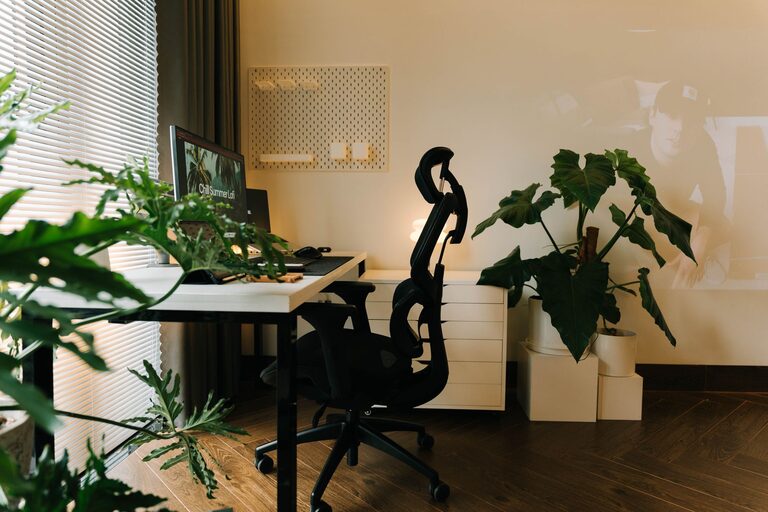
Pick a spot with good natural light if possible. Sunlight boosts mood and helps reduce eye strain. Position your desk near a window but avoid direct glare on screens.
Minimize Distractions
Select a quieter area away from heavy foot traffic, entertainment zones, or noisy appliances. This helps keep focus sharp throughout the day.
Furniture: Comfort Meets Practicality
Invest in an Ergonomic Chair
A supportive chair that encourages good posture is essential. Look for adjustable height, lumbar support, and comfortable padding to prevent back and neck pain.
Opt for a Spacious Desk
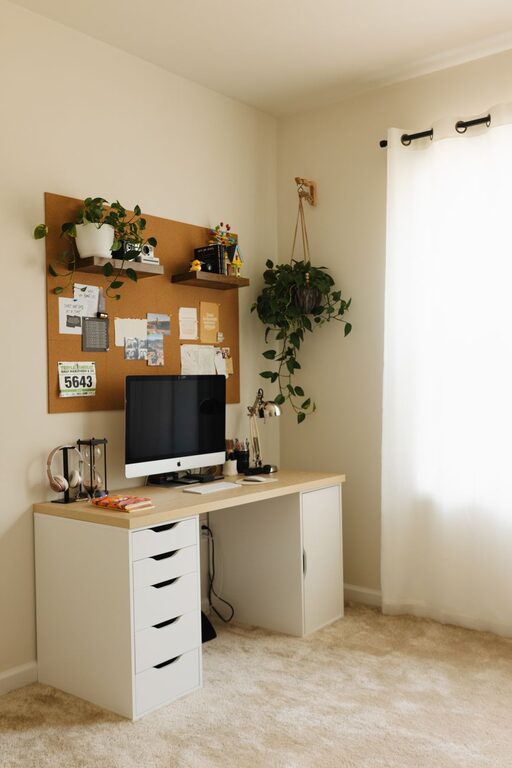
Choose a desk with enough surface area for your computer, documents, and any other tools you use daily. Consider models with built-in storage or add organizers separately.
Use Adjustable Furniture
If possible, choose a sit-stand desk or add a monitor arm to adjust your screen height. Changing positions can reduce fatigue.
Lighting for Focus and Warmth
Layer Your Lighting
Combine natural light with layered artificial lighting: ambient (overhead), task (desk lamps), and accent lights. This mix reduces eye strain and adds warmth.
Choose Warm White Bulbs
Warm-white LED bulbs create a cozy atmosphere, making the space inviting without being too harsh—perfect for long work hours.
Organizing Your Workspace
Declutter Regularly
A tidy workspace clears the mind. Use shelves, drawers, and desktop organizers to keep only essentials within reach.
Cable Management
Use clips, sleeves, or organizers to keep cables untangled and out of sight, reducing visual chaos.
Personalize Thoughtfully
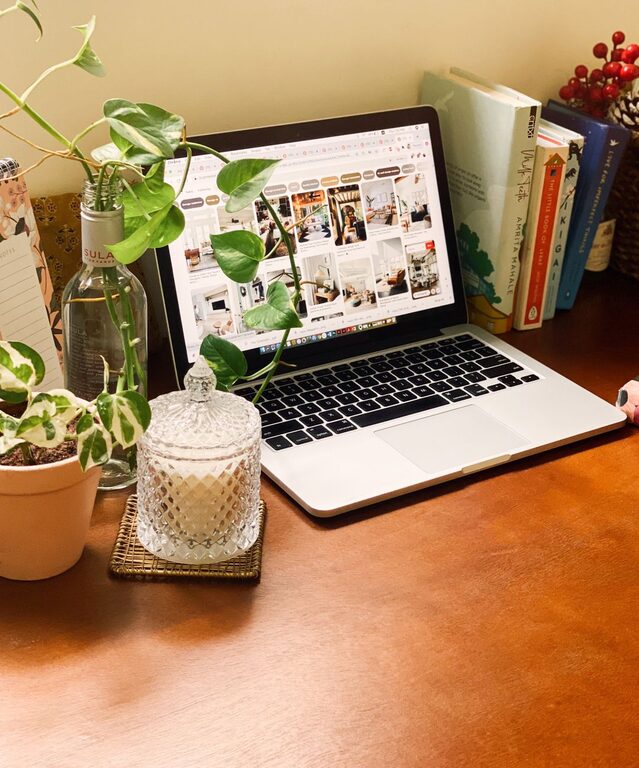
Add personal touches like plants, artwork, or motivational quotes without overcrowding your workspace. A balance keeps the space lively but professional.
Incorporating Comfort Elements
Add Soft Textures
Incorporate rugs, cushions, or throws to soften the space and improve comfort, especially if your office shares flooring with other areas of your home.
Control Temperature and Air Quality
Keep a fan, heater, or humidifier handy to maintain a comfortable environment. Good ventilation also improves concentration.
Incorporate Greenery
Plants improve air quality and bring a calm, natural feel to your office, helping reduce stress.
Technology and Tools
Choose the Right Equipment
Invest in reliable hardware and accessories such as a quality keyboard, mouse, and headset to enhance comfort and efficiency.
Use Multiple Monitors if Needed
If your work requires multitasking or detailed projects, additional screens can boost productivity without overwhelming your desk.
Maintain a Backup Plan
Have surge protectors and backup storage solutions like external drives or cloud storage ready to prevent workflow interruptions.
Establishing Boundaries and Routine
Define Office Hours
Set clear start and end times for your workday to keep a healthy boundary between work and personal life.
Create a “Start Work” Ritual
Develop a routine to signal the beginning of your workday, such as brewing a cup of tea, which mentally prepares you for focus.
Take Breaks
Schedule regular breaks to stretch and rest your eyes. Moving around keeps energy levels up and prevents burnout.
Final Thoughts
Designing a home office that feels cozy yet remains highly functional requires balancing comfort with productivity essentials. By carefully selecting your location, furniture, lighting, and organization systems, you can create a personalized workspace that supports your work style and well-being. Remember, a thoughtfully arranged home office isn’t just a place to work—it’s a place to thrive.
About the Author