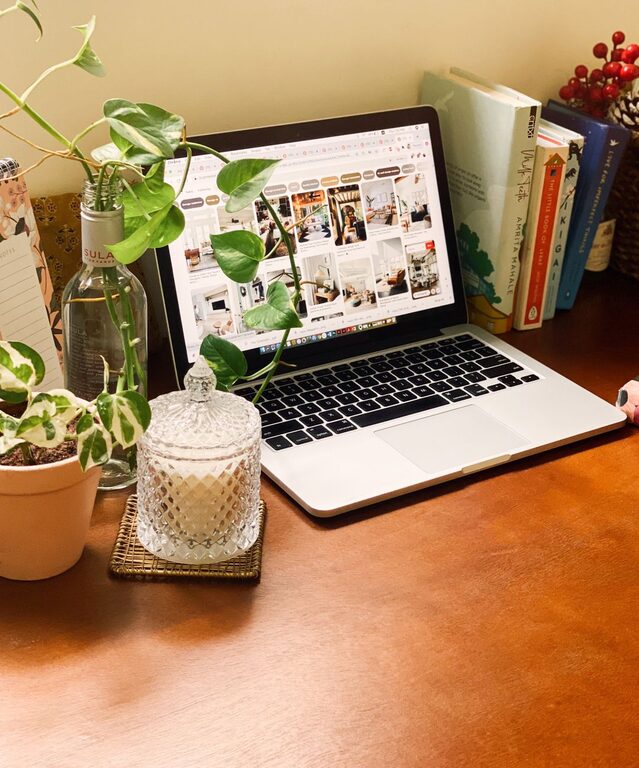
Creating a relaxing home workspace is essential for maintaining focus and reducing stress, especially with more people working remotely. A well-designed area can boost your productivity, improve your mood, and make working from home more enjoyable. If you’re looking to transform your workspace into a calming, inviting place, these tips will help you create the perfect balance.
Choose the Right Location
Your workspace should be set up in a place with minimal distractions and enough natural light. Ideally, pick a spot that is away from noisy areas and heavy foot traffic. If possible, select a room or corner that you can dedicate solely to work. This separation helps your mind distinguish between “work time” and “home time,” creating a healthier routine.
Prioritize Comfort and Ergonomics
Invest in a Comfortable Chair and Desk
Comfortable seating is key to avoiding aches and fatigue during long work hours. Choose an ergonomic chair with good lumbar support, adjustable height, and breathable fabric. Pair it with a desk at the right height, allowing your elbows to rest comfortably when typing.
Position Your Screen Properly
Your computer screen should be at eye level to prevent neck strain. Use a monitor stand or adjustable arm if needed. The ideal distance is about an arm’s length away to reduce eye strain.
Bring in Natural Elements
Adding natural elements can help create a soothing atmosphere and improve air quality.
– Houseplants: Greenery boosts mood and adds life to your space. Easy-care plants like succulents, snake plants, or pothos work well.
– Natural light: Keep curtains open and arrange your desk near a window if possible, benefiting from daylight.
– Natural materials: Wooden desks, bamboo accessories, or stone planters bring warmth and texture to your workspace.
Keep Your Space Organized
Clutter can increase stress and decrease productivity. Use these strategies to keep your home office tidy:
– Declutter regularly: Remove unnecessary items and organize paperwork.
– Storage solutions: Use shelves, drawer organizers, or baskets to keep supplies neat.
– Cable management: Use clips or cable boxes to prevent tangled cords.
Personalize Your Workspace
Your workspace should inspire and motivate you. Add items that make you feel calm and happy:
– Artwork or photos: Choose calming images such as landscapes or your favorite memories.
– Aroma: Use essential oils, candles, or incense for gentle scents like lavender or citrus.
– Comfort items: A cozy throw blanket or soft cushion can make your chair more inviting.
Control Lighting and Noise
Lighting
Bright, harsh lighting can increase eye strain and fatigue. Use a combination of overhead and task lighting with warm bulbs to create a soft, inviting glow.
Noise
If noise is a distraction, consider using noise-cancelling headphones or a white noise machine. Alternatively, play gentle background music or nature sounds to boost concentration.
Take Breaks and Move
Creating a relaxing workspace isn’t just about the setup—it’s also about how you use the space.
– Set reminders: Use timers to remind yourself to stand up, stretch, and take short breaks every hour.
– Incorporate movement: Simple stretches or a quick walk can refresh your mind and reduce tension.
Maintain Consistency
Try to keep your workspace dedicated to work only, avoid eating or watching TV there. This helps your brain associate the space with productivity and relaxation, improving your focus during work hours.
—
Creating a relaxing home workspace is about combining comfort, organization, and personal touches in an environment that supports concentration and calmness. By choosing the right location, investing in ergonomic furniture, adding natural elements, and maintaining organization, you can enjoy a productive and stress-free workday right in your own home.
About the Author